

Your cart is empty.
Introduction
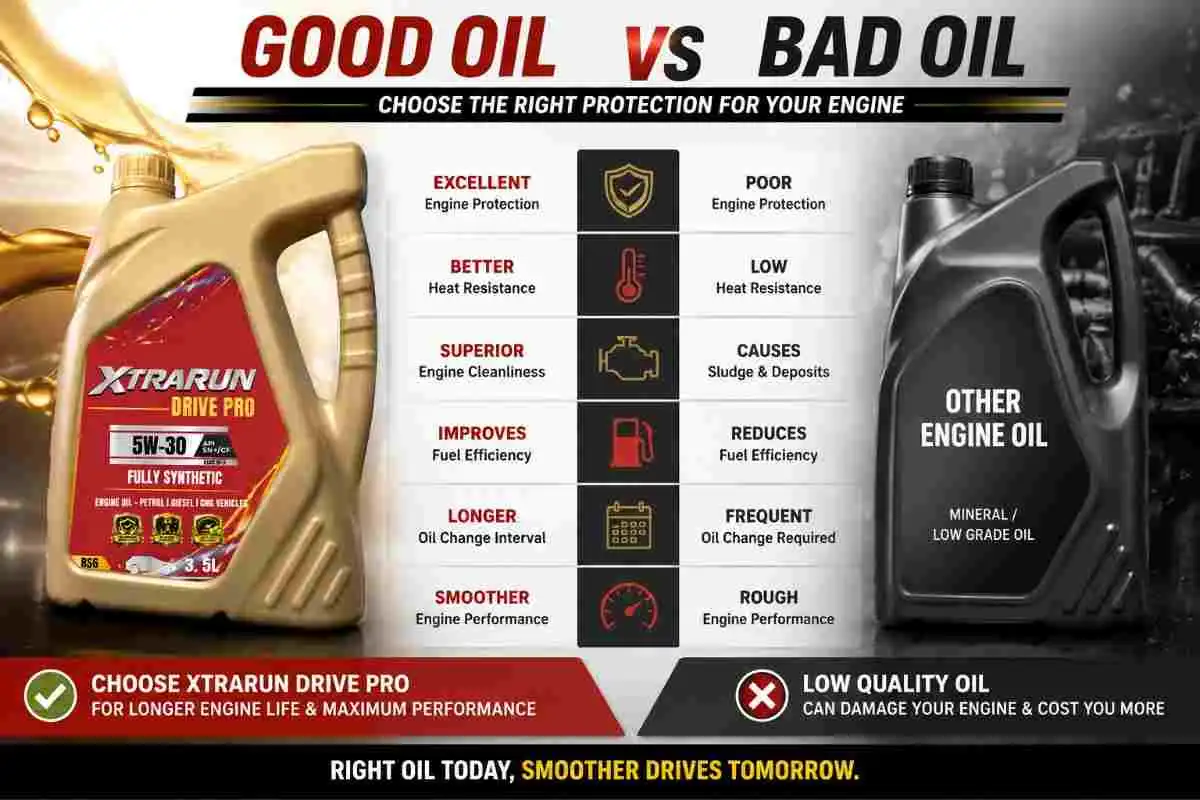
Engine oil is one of the most important fluids in your vehicle. It helps lubricate engine components, reduce friction, manage heat, and support smooth engine operation.
Whether you drive a passenger car, SUV, commercial vehicle, or other automobile, choosing the right engine oil and changing it at the recommended interval is essential for proper engine maintenance.
With different oil grades, formulations, and specifications available, selecting the right engine oil can sometimes be confusing.
In this blog, we will explain what engine oil does, how to choose the correct oil grade, and why regular oil changes are important for your vehicle.
Engine oil is a specially formulated lubricant designed to protect the moving parts inside an engine.
During engine operation, components such as pistons, crankshafts, camshafts, and bearings move at high speed and experience friction. Engine oil forms a lubricating film between these moving parts, helping reduce direct metal-to-metal contact.
Modern engine oils also contain additives that help control deposits, protect against corrosion, and maintain oil performance under operating conditions.
Engine oil lubricates moving components and helps reduce friction. This supports smooth engine operation and helps minimize wear under normal operating conditions.
Engine oil carries heat away from certain engine components and transfers it to other parts of the engine and lubrication system.
Suitable engine oil contains additives that help control sludge, deposits, and contaminants. This supports cleaner engine operation.
Engine oil helps protect internal components against wear and corrosion when the correct oil is used and maintained properly.
Using the correct engine oil helps maintain the lubrication and operating conditions specified by the vehicle manufacturer.
Choosing the correct engine oil grade is important for proper lubrication and engine protection.
The oil grade is commonly shown using a viscosity classification such as:
5W-30
5W-40
10W-40
15W-40
20W-40
These numbers describe the oil's viscosity characteristics at different temperatures.
For example, consider 5W-30 engine oil:
5W: Indicates the oil's cold-temperature viscosity performance according to the SAE classification.
30: Indicates the oil's viscosity grade at high operating temperature.
A lower W number generally indicates better cold-temperature flow characteristics, but the correct grade for your vehicle must always be selected according to the manufacturer's recommendations.
Always check the owner's manual or official manufacturer specifications before choosing engine oil.
The manufacturer may recommend a particular viscosity grade and performance specification for your engine.
Petrol and diesel engines may require different oil formulations and specifications.
Some engines may also require special oils for turbocharged, high-performance, or emission-control systems.
The recommended engine oil can vary depending on the vehicle model, engine design, and manufacturing year.
Do not choose oil based only on the vehicle brand or engine size.
Driving in heavy traffic, dusty environments, extreme temperatures, or under heavy loads may affect oil service requirements.
Follow the manufacturer's recommendations for your driving conditions.
In addition to viscosity, check the required performance specifications, such as API, ACEA, or the vehicle manufacturer's own approval.
The correct specification is important because two oils with the same viscosity may not be suitable for the same engine.
Mineral oil is produced from refined petroleum base oils. It is used in various vehicle applications where the manufacturer permits its use.
Semi-synthetic oil combines mineral and synthetic base oils. It is designed for applications where this type of formulation is recommended.
Fully synthetic engine oil is formulated using synthetic base oils and performance additives. It is used in many modern engines and applications requiring specific performance characteristics.
Important: Synthetic oil is not automatically suitable for every engine. Always follow the manufacturer's recommended viscosity and specification.
Engine oil gradually loses some of its performance during use. Heat, oxidation, contamination, and engine operating conditions can affect the oil over time.
Regular oil changes help maintain the lubrication system and remove used oil containing accumulated contaminants.
Fresh, suitable engine oil helps maintain lubrication between moving engine components.
Replacing oil at the recommended interval helps maintain the oil's ability to protect engine components.
Fresh oil replenishes the lubricant and additive system, supporting the control of sludge and deposits.
Regular maintenance helps keep the lubrication system working as intended and supports reliable engine operation.
Using the correct oil and changing it according to the service schedule supports consistent engine operation.
Look for the following signs:
Engine oil warning light on the dashboard.
Oil level below the recommended mark.
Unusual engine noise.
Visible oil leakage.
Oil that appears contaminated or has an unusual condition.
Oil change interval reached according to the service schedule.
Note: Oil colour alone is not a reliable way to determine whether oil needs replacement. Always follow the manufacturer's service recommendations and inspect the oil level regularly.
The correct oil change interval depends on your vehicle, engine, oil specification, and driving conditions.
You should:
Follow the oil change schedule in your owner's manual.
Change oil and oil filter as recommended.
Follow a severe-duty service schedule if specified for your driving conditions.
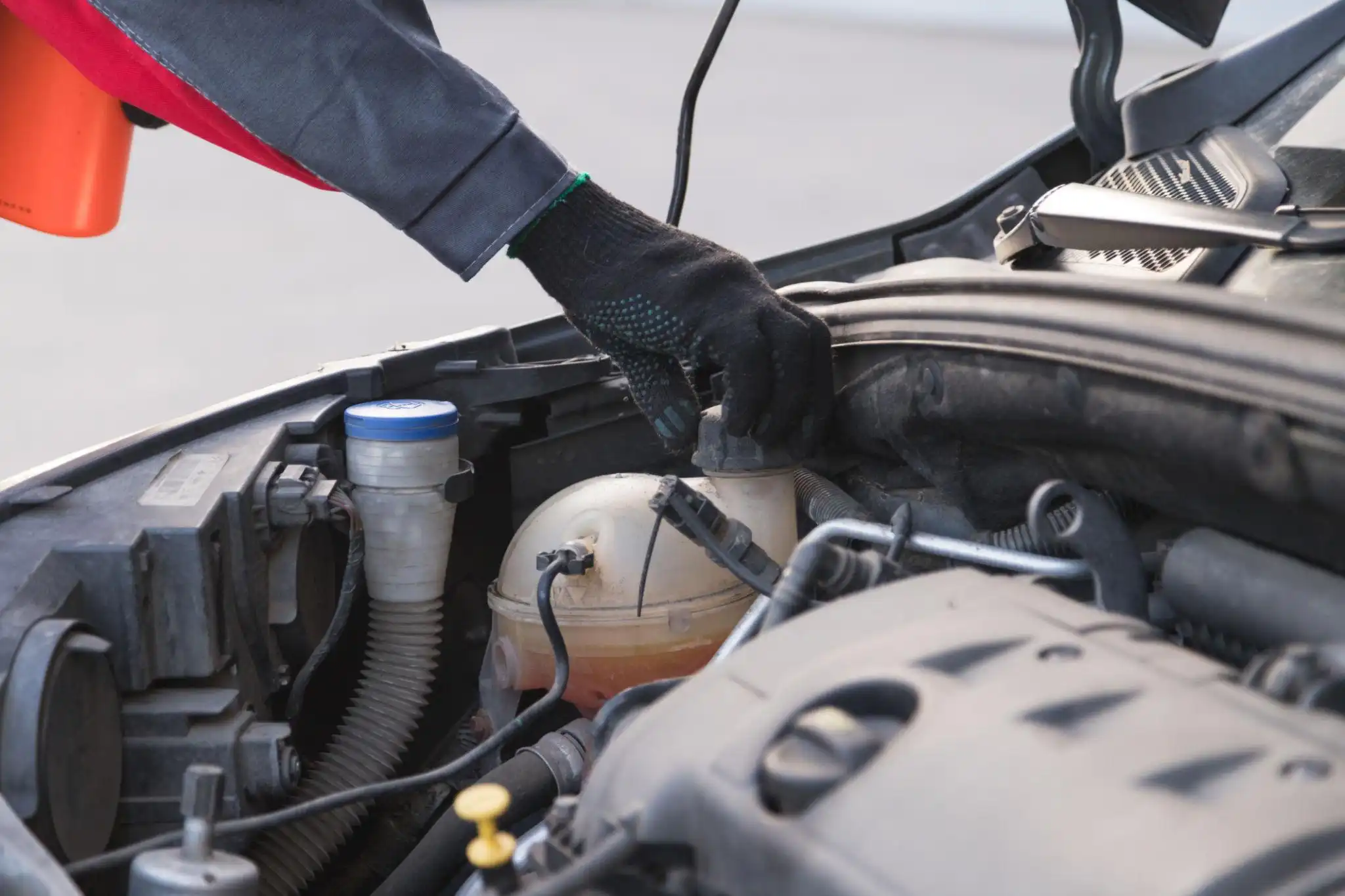
Check the engine oil level regularly.
Use the correct quantity of oil during servicing.
Some modern vehicles have oil-life monitoring systems. These can help determine when service is due, but the manufacturer's instructions should be followed.
Follow these general steps:
Park the vehicle on a level surface.
Switch off the engine and allow it to cool or wait as recommended by the manufacturer.
Locate the engine oil dipstick, if equipped.
Remove and wipe the dipstick clean.
Insert it fully and remove it again.
Check that the oil level is between the recommended marks.
Add the correct oil if required, without overfilling.
Always follow the vehicle manufacturer's instructions for checking oil level.
Use the correct engine oil grade and specification.
Replace the oil filter at the recommended interval.
Check oil level regularly.
Avoid overfilling the engine.
Inspect for oil leaks.
Keep service records updated.
Purchase engine oil from a reliable source.
Consult a qualified mechanic if the oil warning light appears.
Choosing the right engine oil is essential for maintaining your vehicle's engine. The correct oil helps reduce friction, protect moving components, manage heat, and support smooth engine operation.
Always select engine oil according to the manufacturer's recommended viscosity and performance specification. Regular oil changes and proper maintenance can help support engine reliability and long-term vehicle performance.
Drive with confidence. Choose the right engine oil with Xtra Run.
Explore Xtra Run engine oil products and choose the suitable lubricant for your vehicle's needs.

Free shipping on orders above ₹1000
We're here to help whenever you need us
Shop with confidence with our 30-day return policy
Your payment information is safe and secure
Login if you are a returning customer.
Don't have an account? Sign up
We will send a one-time code to your mobile number. Then complete your details.