
Your cart is empty.
Introduction
Engine coolant is one of the most important fluids in your vehicle's cooling system. It helps regulate engine temperature, protect against corrosion, and support reliable engine performance.
During everyday driving, your engine produces a significant amount of heat. Without a properly functioning cooling system, excessive heat can lead to engine overheating and costly repairs.
In this blog, we will explain what engine coolant does, the common reasons for engine overheating, and when you should change your vehicle's coolant.
Engine coolant is a specially formulated fluid used in a vehicle's cooling system to help control engine temperature.
It is commonly made from a mixture of water and antifreeze, along with additives that help protect the cooling system. Different coolant formulations are available for different vehicle applications.
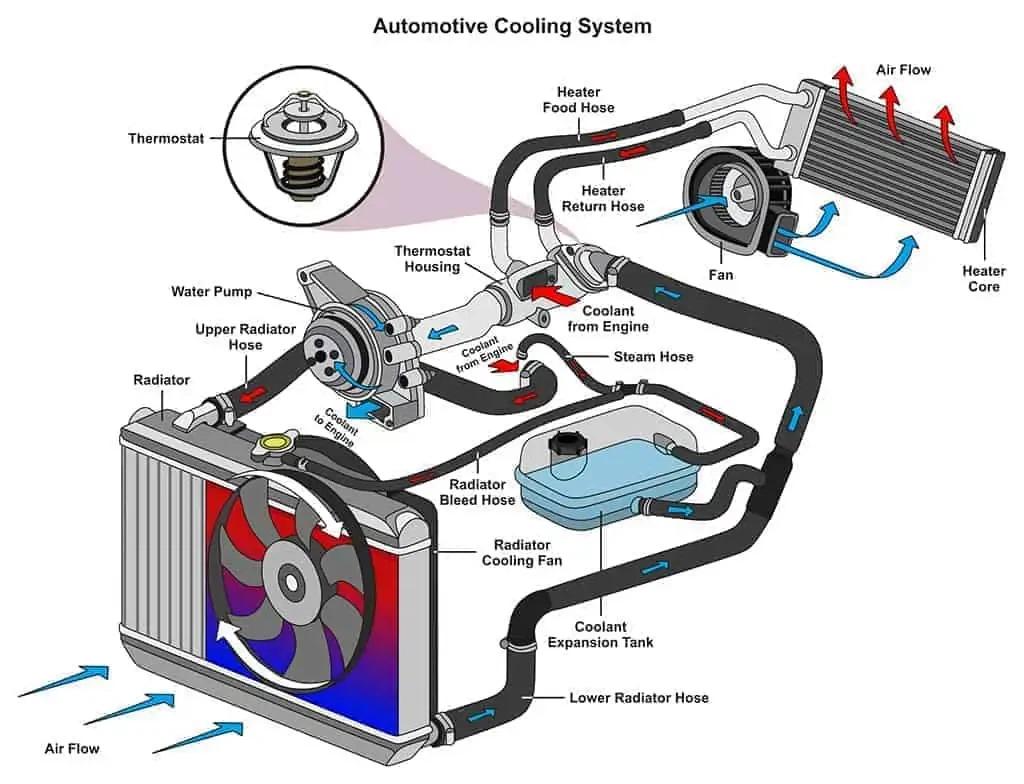
Coolant circulates through the engine and radiator, helping transfer excess heat away from the engine and release it through the radiator.
The primary function of engine coolant is to absorb and transfer heat produced during engine operation. This helps keep the engine within its intended operating temperature range.
Suitable coolant contains additives that help protect cooling system components against corrosion and deposits.
Coolant helps the engine maintain a suitable operating temperature under different driving conditions, including traffic, highway driving, and heavy loads.
Depending on its formulation and concentration, coolant can help protect against freezing in cold conditions and raise the boiling point of the cooling fluid.
Maintaining the correct coolant level and using the recommended coolant helps support the condition of the engine and cooling system.
Engine overheating can happen for several reasons. Some of the most common causes include:
A low coolant level may prevent the cooling system from transferring heat effectively. It can be caused by leaks, evaporation under certain conditions, or improper filling.
Always check for leaks if the coolant level keeps dropping.
A damaged hose, radiator, water pump, gasket, or other cooling system component may cause coolant leakage.
Visible coolant under the vehicle or a recurring low coolant level should be inspected by a qualified mechanic.
The thermostat controls coolant circulation based on engine temperature. If it becomes stuck or fails to operate correctly, it may contribute to overheating.
A blocked, damaged, or poorly functioning radiator may reduce the cooling system's ability to release heat.
The water pump circulates coolant through the engine and cooling system. A faulty water pump may reduce coolant circulation and cause overheating.
The radiator fan helps move air through the radiator, especially when the vehicle is stationary or moving slowly. A faulty fan can contribute to overheating.
Using the wrong coolant concentration or an unsuitable coolant type may reduce cooling system protection and performance.
Watch for the following warning signs:
Engine temperature gauge rising above its normal range.
Temperature warning light on the dashboard.
Steam or coolant escaping from the engine compartment.
Coolant level dropping repeatedly.
Unusual smell from the cooling system.
Reduced engine performance or unusual engine operation.
Safety tip: If your engine overheats, stop in a safe location and switch off the engine. Do not open the radiator cap while the engine is hot, as pressurized coolant can cause serious burns.
The correct coolant replacement interval depends on your vehicle manufacturer, coolant formulation, and driving conditions.
Check your vehicle owner's manual for the recommended coolant replacement interval. Different vehicles and coolant formulations have different service requirements.
A mechanic should check the coolant level, condition, and cooling system for leaks during routine maintenance.
Coolant may need replacement when:
The manufacturer's recommended service interval has been reached.
The coolant is contaminated or its condition is unsuitable.
The cooling system has been repaired and coolant replacement is required.
The vehicle manufacturer recommends a specific coolant replacement procedure.
Important: Do not change coolant based only on its colour. Coolant colour does not reliably identify its chemical formulation or compatibility.
Choosing the correct coolant is important for cooling system protection and compatibility.
Before purchasing coolant, check:
Vehicle make and model.
Engine type and year.
Manufacturer's coolant specification.
Required coolant concentration.
Compatibility with the existing cooling system.
Recommended service and filling instructions.
Avoid mixing different coolant formulations unless the manufacturer or coolant supplier confirms that they are compatible.
Suitable coolant helps the cooling system manage engine heat under normal operating conditions.
The right coolant formulation helps protect components against corrosion and deposits.
Maintaining the correct coolant level and specification supports reliable cooling system operation.
Proper cooling system maintenance helps reduce the risk of heat-related engine damage.
A well-maintained cooling system supports dependable vehicle operation in everyday driving conditions.
Follow these simple tips to keep your vehicle's cooling system in good condition:
Check the coolant level only when the engine is cool.
Use the coolant recommended for your vehicle.
Inspect hoses, radiator, and coolant reservoir for leaks.
Never open a hot radiator cap.
Do not ignore temperature warning lights.
Replace coolant according to the manufacturer's service schedule.
Have the cooling system checked by a qualified mechanic if overheating occurs.
Engine coolant plays a vital role in keeping your vehicle's engine operating at a suitable temperature. It helps transfer excess heat, protect cooling system components, and support reliable engine performance.
Regular coolant checks, timely replacement, and the correct coolant specification are essential parts of vehicle maintenance.
Keep your engine cool and your journey smooth with Xtra Run automotive products.
Explore suitable engine coolant products from Xtra Run and choose the right coolant for your vehicle.
Free shipping on orders above ₹1000
We're here to help whenever you need us
Shop with confidence with our 30-day return policy
Your payment information is safe and secure
Login if you are a returning customer.
Don't have an account? Sign up
We will send a one-time code to your mobile number. Then complete your details.